




Lice & Scabies


9 Lice & Scabies treatments found

Overview
Treating Head Lice and Scabies
Head lice and scabies are common parasitic infestations that can affect anyone, regardless of hygiene. Head lice are tiny insects that live on the scalp, feeding on blood and causing itching. Scabies is caused by a microscopic mite that burrows into the skin, causing an intensely itchy rash. Both conditions are highly contagious and require prompt treatment to prevent spreading to others.
Cloud Pharmacy stocks a range of head lice and scabies treatments, including lotions, sprays and combs. All products are dispensed by our GPhC-registered pharmacy team and delivered discreetly to your door.
Who Are These Treatments For?
These treatments may be appropriate if you or your child is experiencing:
- Persistent itching of the scalp, particularly behind the ears and at the nape of the neck
- Visible lice or eggs (nits) in the hair, usually found close to the scalp
- An intensely itchy rash, particularly between the fingers, on the wrists, elbows, armpits or genital area (scabies)
- Tiny burrow tracks on the skin (scabies)
All close contacts and household members should be checked and treated simultaneously to prevent reinfestation. Bedding, towels and clothing used in the previous 48 hours should be washed at 60°C or above.
Important Safety Information
- Follow the application instructions carefully - many treatments require a specific contact time to be effective
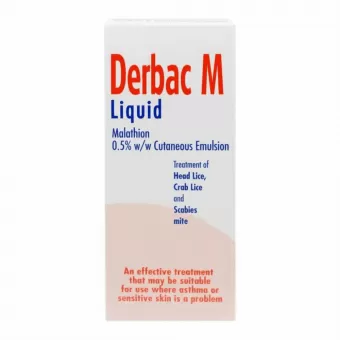
Some products (e.g. Derbac-M) contain organophosphate insecticides and should be used with care, particularly around children and people with asthma - Check the age suitability of each product - some are not suitable for very young children or infants
- Wet-combing with a fine-toothed nit comb (detection combing) should be performed on days 5, 9 and 13 after treatment to remove any newly hatched lice
- If treatment does not appear to be working after a full course, speak to your pharmacist - the lice may be resistant to the active ingredient used
Available Treatment Types
Head Lice Lotions and Solutions
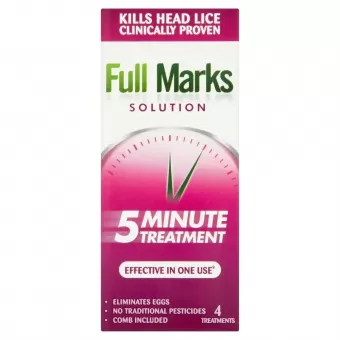
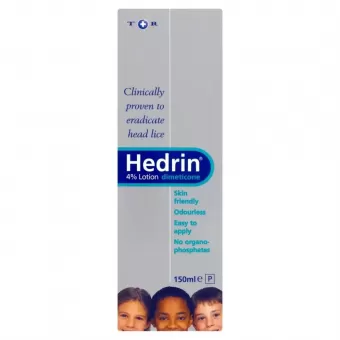
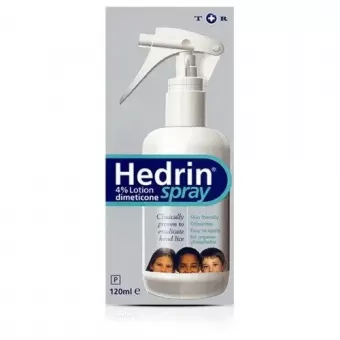
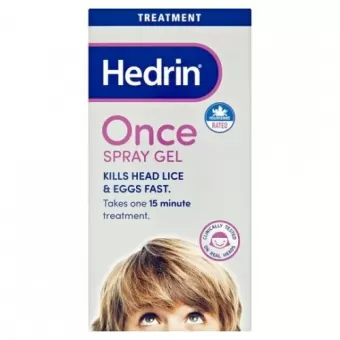
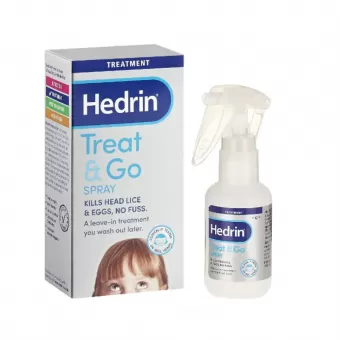
Hedrin 4% Lotion contains dimeticone, which works by physically coating and suffocating head lice rather than using chemical insecticides. This means lice cannot develop resistance to it. Full Marks Solution works through a similar physical mechanism. Lyclear treatments contain permethrin, a traditional insecticide-based approach. Derbac-M contains malathion, another insecticide option. Treatment choice may depend on whether previous treatments have been effective.
Detection and Removal Combs
Wet-combing with a fine-toothed detection comb is an essential part of both diagnosing and treating head lice. Comb through wet, conditioned hair section by section is the most reliable way to detect live lice. It should also be used after treatment application to remove dead lice and eggs.
Choosing the Right Treatment
Concern | Recommended Type | Example Products |
| Head lice (first-line, physical action) | Dimeticone-based lotion | Hedrin 4% Lotion |
| Head lice (alternative treatment) | Insecticide-based lotion | Full Marks, Lyclear, Derbac-M |
| Detection and removal | Fine-toothed nit comb | Hedrin Detection Comb |
| Scabies | Permethrin cream (see GP if OTC unavailable) | Lyclear Dermal Cream |
How to Buy Lice & Scabies Products from Cloud Pharmacy
- Step 1: Browse the range on this page
- Step 2: Select the product and add it to your basket
- Step 3: Complete a short online assessment
- Step 4: Once approved, your order is dispatched in discreet packaging
Sources and References
NHS - Head lice and nits: https://www.nhs.uk/conditions/head-lice-and-nits/
NHS - Scabies: https://www.nhs.uk/conditions/scabies/
NICE - Clinical Knowledge Summary: Head lice
FAQ
How do I know if my child has head lice?
The most reliable method is wet-combing (detection combing). Wash your child's hair, apply conditioner, and comb through with a fine-toothed nit comb from the roots to the tips, wiping the comb on a white tissue or paper towel after each stroke. Live lice are small, brown, fast-moving insects. Eggs (nits) are tiny white or brown specks attached close to the scalp.
Can head lice survive on bedding or furniture?
Head lice can only survive away from the scalp for 1–2 days, as they need human blood to feed. While it is good practice to wash bedding and towels used in the previous 48 hours on a hot wash (60°C), lice are primarily spread through direct head-to-head contact rather than through shared objects.
When should I see a GP about scabies?
You should see your GP if you suspect scabies, as it can be difficult to distinguish from other skin conditions. Your GP can confirm the diagnosis and prescribe appropriate treatment. All household members and close contacts should be treated at the same time, even if they do not yet have symptoms, as scabies can take up to 8 weeks to cause itching after initial infection.
How it works
Achieve your goals in just a few simple steps
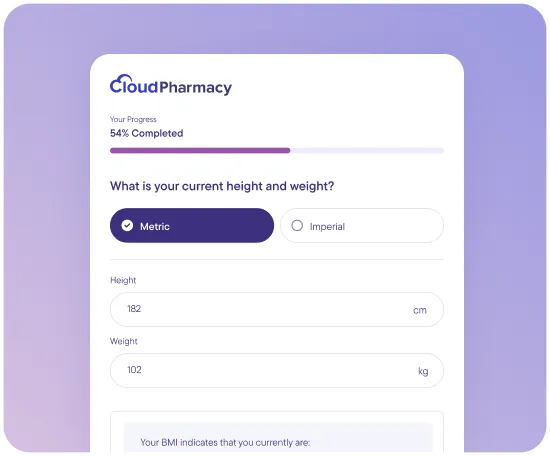
Step 1
Start Free Consultation
Answer some questions so we can understand your needs.

Step 2
Review By Our Clinical Team
Our expert team will use your consultation as the basis of our recommendation and communicate with you.
Step 3
From Prescription to Doorstep
Orders are carefully reviewed by a prescriber before discreet dispatch.
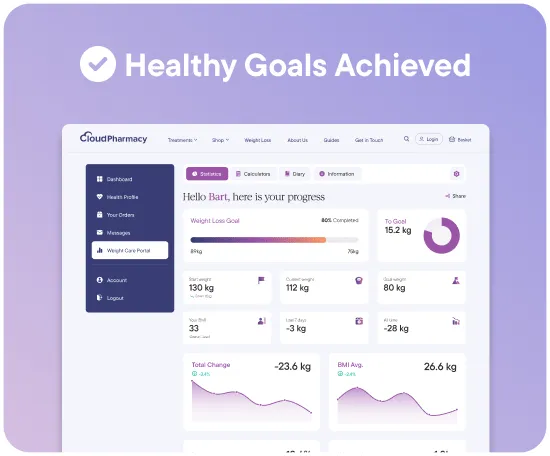
Step 4
Achieve your health goals
A plan tailored to your needs for real, measurable results.
Need something else?
We stock over 1102 treatments for 90 conditions