




Eczema


12 Eczema treatments found
Overview
Eczema and Dermatitis Treatments
Eczema (atopic dermatitis) is a chronic skin condition that causes the skin to become dry, itchy, red and cracked. It affects around one in five children and one in ten adults in the UK, and while there is no cure, symptoms can usually be managed effectively with the right combination of emollients and, when needed, medicated treatments.
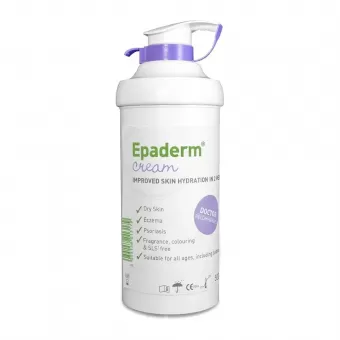
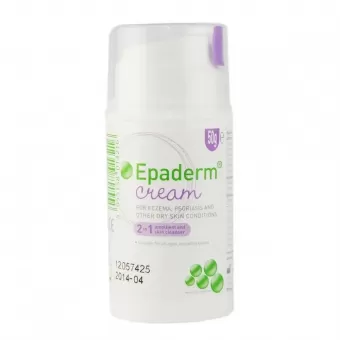
The cornerstone of eczema management is regular, liberal use of emollients to keep the skin moisturised and to strengthen the skin barrier. During flare-ups, mild topical corticosteroid creams may be used for short periods to reduce inflammation and itching. Cloud Pharmacy stocks both emollients and medicated treatments for eczema from trusted pharmacy brands.
Who Are These Treatments For?
- Dry, itchy, inflamed skin caused by eczema or atopic dermatitis
- Contact dermatitis (irritation from soaps, detergents or allergens)
- Eczema flare-ups requiring short-term anti-inflammatory treatment
- Ongoing skin barrier maintenance to prevent flare-ups
If your eczema is widespread, severely inflamed, infected (oozing, crusting, or with yellow/green pus), or not responding to over-the-counter treatments, see your GP. You may need a stronger prescription treatment.
Important Safety Information
- Hydrocortisone cream should not be used for more than seven days without medical advice, and should not be applied to the face unless directed by a doctor
- Do not use hydrocortisone on broken or infected skin unless advised by a healthcare professional
- Apply emollients first, then wait 20 to 30 minutes before applying hydrocortisone cream to ensure proper absorption
- Some emollients contain paraffin and are flammable when absorbed into fabric - avoid naked flames
- If skin shows signs of infection (increasing redness, warmth, swelling, pus), seek medical advice
Available Treatment Types
Emollients for Daily Use
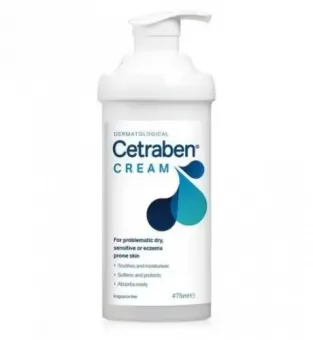
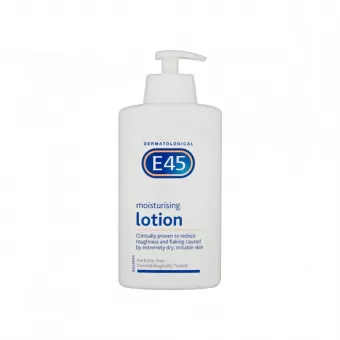
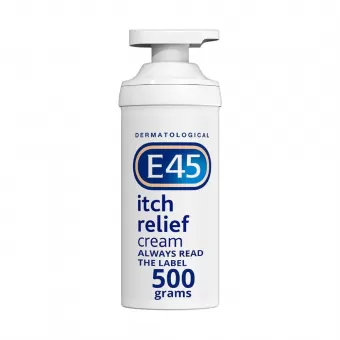
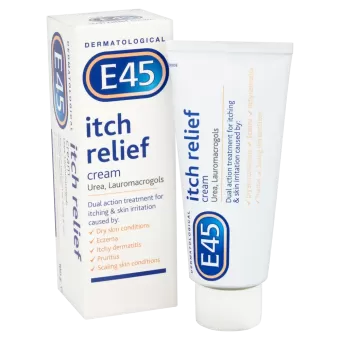
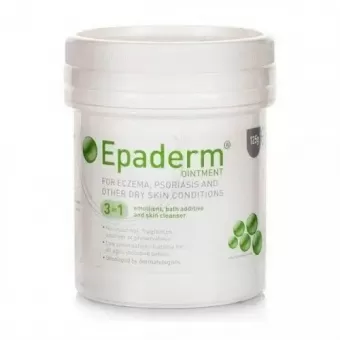
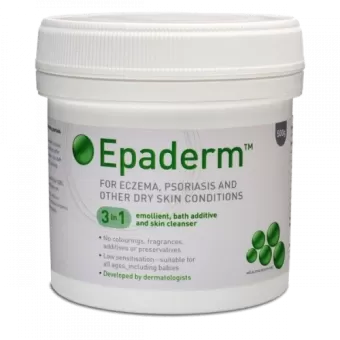
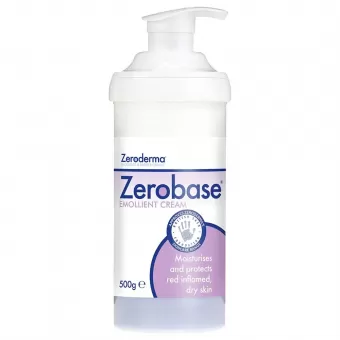
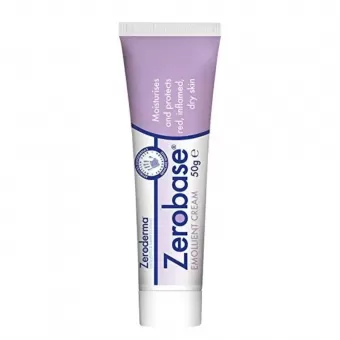
Regular emollient use is the most important part of eczema management. Products such as CeraVe, Aveeno, Aquamax and E45 should be applied liberally at least twice daily and more frequently during flare-ups. Keeping the skin well moisturised reduces itching, prevents cracking and helps to reduce the frequency of eczema flare-ups.
Hydrocortisone Cream 1%
Hydrocortisone is a mild topical corticosteroid that reduces inflammation, redness and itching during eczema flare-ups. It is applied thinly to the affected area once or twice daily for up to seven days. It should be used sparingly and for the shortest time necessary to bring the flare-up under control. Not suitable for the face unless directed by a doctor.
Canesten Hydrocortisone
Canesten Hydrocortisone combines clotrimazole (an antifungal) with hydrocortisone (a mild corticosteroid). It is designed for skin conditions where a fungal infection and inflammation are both present. It may be appropriate if eczema-like symptoms are accompanied by a suspected fungal element. Use for the recommended duration and consult your pharmacist if unsure.
Choosing the Right Eczema Treatment
Situation | Recommended Treatment | Key Point |
| Daily maintenance (preventing flare-ups) | Emollient cream (CeraVe, Aveeno, E45, Aquamax) | Apply liberally, at least twice daily |
| Active flare-up (red, itchy, inflamed skin) | Hydrocortisone 1% cream (short-term) + emollient | Max 7 days without medical advice |
| Suspected fungal element alongside eczema | Canesten Hydrocortisone | Antifungal + anti-inflammatory |
How to Buy Eczema Treatments from Cloud Pharmacy
- Step 1: Browse the range on this page
- Step 2: Select the product and add it to your basket
- Step 3: Complete a short online assessment
- Step 4: Once approved, your order is dispatched with next-day delivery available
Sources and References
FAQ
How often should I use an emollient for eczema?
Emollients should be applied liberally and frequently - at least twice daily, and more often during flare-ups or after bathing. They work best when applied to slightly damp skin. The NHS recommends using emollients as the foundation of eczema care, even when the skin appears clear, to help prevent future flare-ups.
Is hydrocortisone safe to use on eczema?
Hydrocortisone 1% is a mild topical corticosteroid that is safe for short-term use (up to seven days) on small areas of eczema-affected skin. It should be applied thinly and sparingly. Prolonged or excessive use can cause skin thinning. It should not be applied to the face without medical advice. If symptoms persist beyond a week, see your GP.
When should I see a doctor about eczema?
See your GP if your eczema is not responding to over-the-counter treatments, is spreading or worsening, shows signs of infection (oozing, crusting, increased redness or warmth), is significantly affecting your sleep or daily life, or if you need treatment for longer than seven days.
How it works
Achieve your goals in just a few simple steps
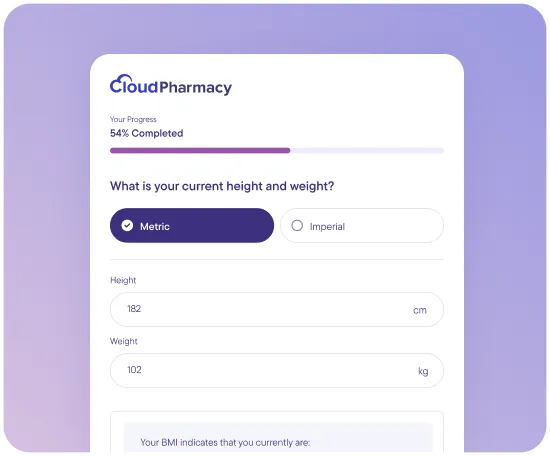
Step 1
Start Free Consultation
Answer some questions so we can understand your needs.

Step 2
Review By Our Clinical Team
Our expert team will use your consultation as the basis of our recommendation and communicate with you.

Step 3
From Prescription to Doorstep
Orders are carefully reviewed by a prescriber before discreet dispatch.
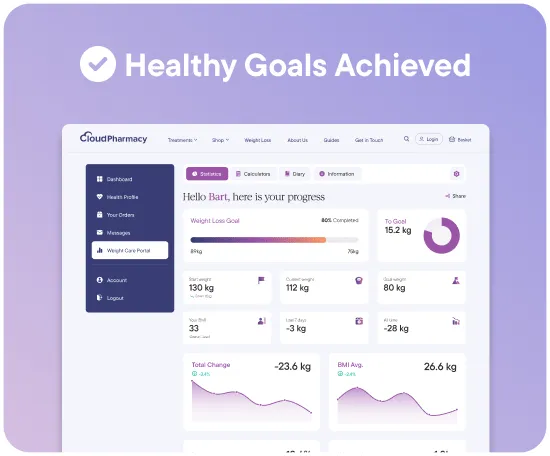
Step 4
Achieve your health goals
A plan tailored to your needs for real, measurable results.
Need something else?
We stock over 1102 treatments for 90 conditions