




Cold, Cough and Flu Medicine


88 Cold, Cough And Flu Medicine treatments found

Overview
Treating Cold, Cough and Flu Symptoms
Colds, coughs and flu are among the most common illnesses in the UK, particularly during the autumn and winter months. While most cases resolve on their own within one to two weeks, the symptoms, including a sore throat, persistent cough, nasal congestion, headaches, body aches and fatigue, can significantly affect daily life, sleep quality and productivity.
A wide range of over-the-counter treatments is available to help manage symptoms and support recovery. These include tablets and capsules for pain and fever relief, cough syrups and linctus for chesty or dry coughs, throat lozenges and sprays for sore throats, nasal sprays and decongestants for blocked noses, and vapour rubs and inhalants to ease breathing.
Cloud Pharmacy stocks over 280 cold, cough and flu treatments from trusted UK brands. All products are dispensed by our GPhC-registered pharmacy team and delivered discreetly to your door. If you are unsure which treatment is right for your symptoms, our pharmacists are available to offer guidance through our free online consultation service.
Who Are These Treatments For?
Most cold, cough and flu medicines available through Cloud Pharmacy are suitable for adults aged 18 and over. Some products may also be suitable for children aged 12 and above. Always check the individual product page and patient information leaflet for age-specific guidance.
These treatments may be appropriate if you are experiencing:
- A blocked or runny nose
- A dry, tickly or chesty cough
- A sore throat
- Headaches, body aches or mild fever
- General cold or flu-like symptoms
If your symptoms are severe, have persisted for more than three weeks, or are accompanied by difficulty breathing, chest pain, a high temperature that does not respond to paracetamol or ibuprofen, or coughing up blood, you should seek medical advice from your GP or call NHS 111.
Important Safety Information
All medicines can cause side effects, even over-the-counter products for colds and flu. Before taking any treatment, you should:
- Read the patient information leaflet included with the product
- Check the active ingredients to avoid accidentally doubling up on the same substance (for example, many cold and flu remedies contain paracetamol - do not take these alongside separate paracetamol tablets)
- Tell your pharmacist or doctor if you are pregnant, breastfeeding, or have a long-term health condition such as asthma, liver disease, kidney problems or high blood pressure
- Inform your pharmacist if you are taking any other medicines, including prescription medicines, to check for interactions
- Do not exceed the recommended dose stated on the packaging
If you experience an allergic reaction (such as swelling of the face, lips or throat, difficulty breathing, or a severe skin rash), stop taking the medicine immediately and seek urgent medical help.
Available Treatment Types
Cloud Pharmacy offers cold, cough and flu treatments across six main categories. Each type targets different symptoms, so choosing the right format depends on what you are experiencing.
Capsules and Tablets
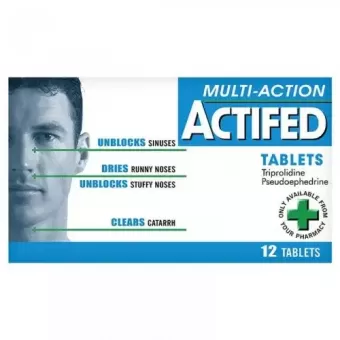
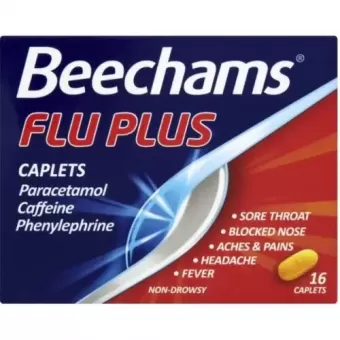
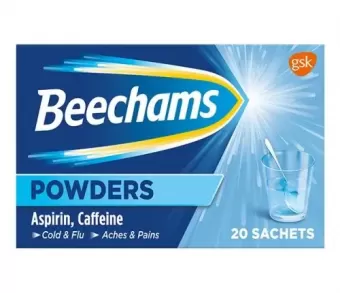
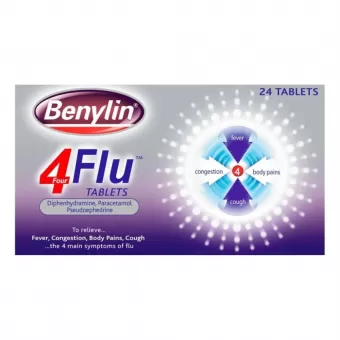
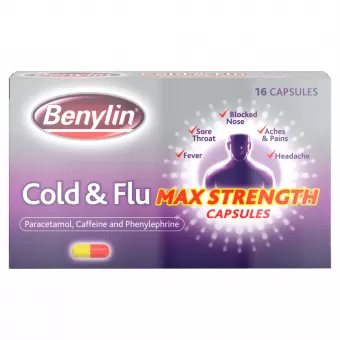
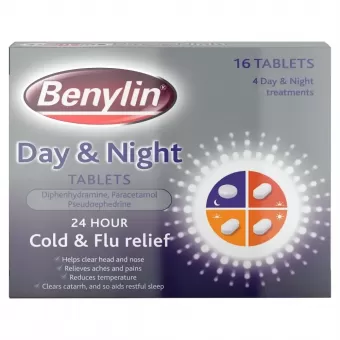
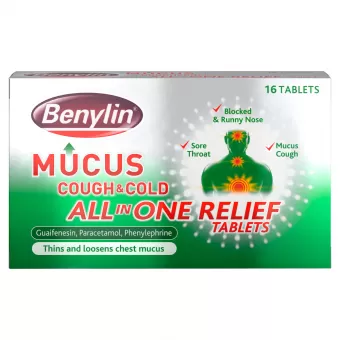
Cold and flu capsules and tablets provide systemic relief for multiple symptoms at once. Many contain a combination of a painkiller (such as paracetamol), a decongestant (such as phenylephrine) and, in some cases, an antihistamine or caffeine to combat drowsiness. Common brands include Beechams, Benylin, Lemsip and Sudafed. These are suited to adults managing general cold and flu symptoms, including headaches, body aches, fever and congestion.
Linctus and Liquid Cough Medicines
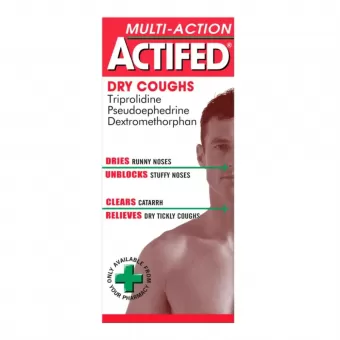
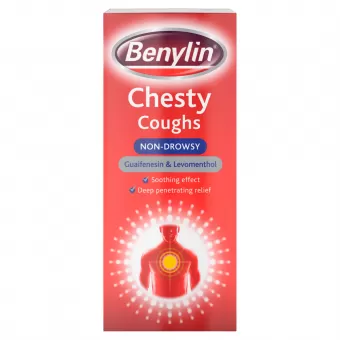
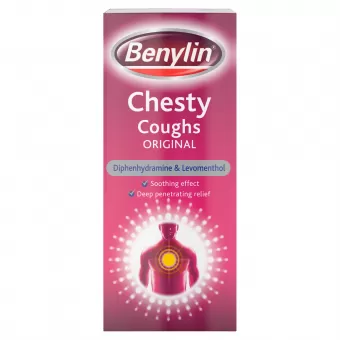
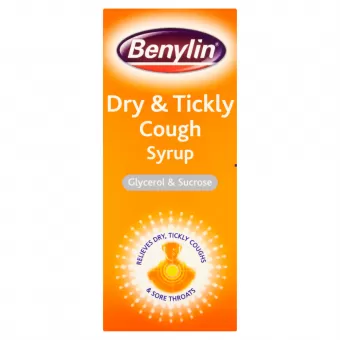
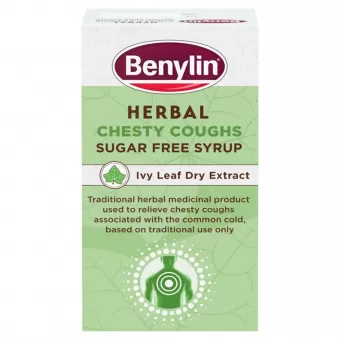
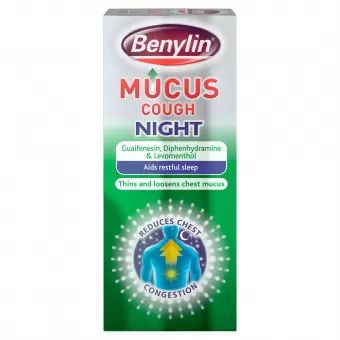
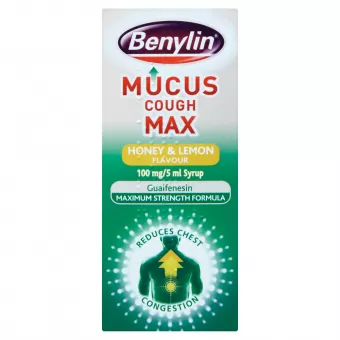
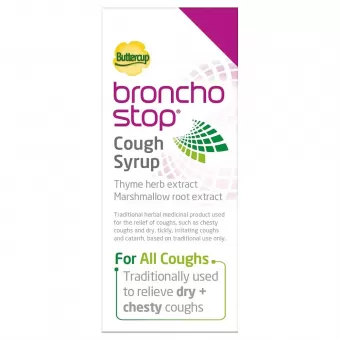
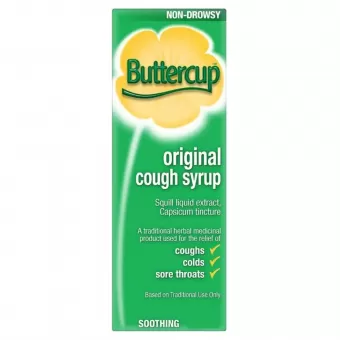
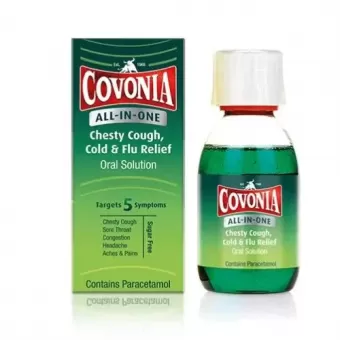
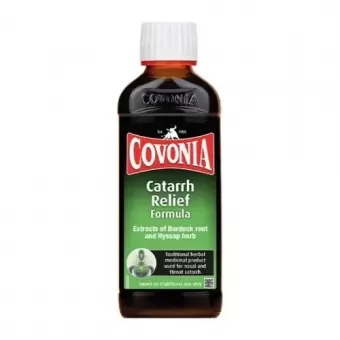
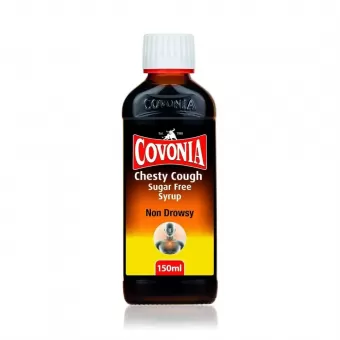
Cough syrups and linctus are formulated to target coughs specifically. Chesty cough medicines (expectorants) help loosen mucus, making it easier to clear from the chest. Dry cough medicines (suppressants) work by reducing the urge to cough. Brands such as Benylin, Covonia, Bronchostop and Buttercup offer options for both types. Always choose the correct formulation for your cough type, as using a suppressant for a chesty cough may prevent the body from clearing mucus.
Lozenges, Throat Sprays and Rinses
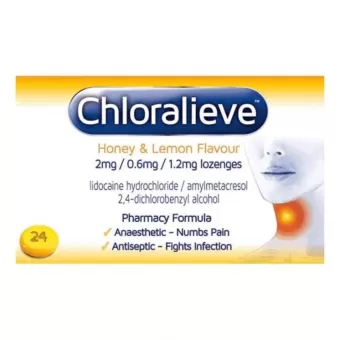
Throat lozenges and sprays provide targeted relief for sore and irritated throats. Many contain a mild anaesthetic (such as benzocaine or lidocaine) to numb the area, while others contain antiseptic agents to help fight minor throat infections. Products from brands like Strepsils, Chloralieve and Difflam are available. These are best suited for sore throats and mild pharyngitis.
Nasal Sprays and Decongestants
Nasal sprays and drops offer fast-acting relief from a blocked nose. Some contain decongestants such as oxymetazoline or xylometazoline, which work by narrowing the blood vessels in the nasal passages to reduce swelling. Others use saline solutions to rinse and moisturise nasal passages. Note that decongestant nasal sprays should not be used for more than seven consecutive days, as prolonged use can lead to rebound congestion.
Sachets and Powders
Hot drink sachets and powders, such as Lemsip and Beechams Powders, are dissolved in hot water and taken as a warm drink. They typically combine a painkiller with a decongestant and are particularly popular during colder months. They can provide comforting symptom relief while also helping with hydration. As with tablets, always check the active ingredients to avoid exceeding the recommended dose of paracetamol.
Vaporisers and Inhalants
Vapour rubs, inhalation capsules and steam solutions (from brands like Vicks and Olbas) can help ease congestion and aid breathing, particularly at night. They typically contain menthol, eucalyptus or camphor oils. These can be used alongside other treatments and are generally well tolerated, though they should be kept away from young children and should not be applied to broken or sensitive skin.
Choosing the Right Treatment for Your Symptoms
Use the table below as a quick guide to help identify which type of treatment may be most suitable for your symptoms. For personalised advice, contact our pharmacy team.
Symptom | Recommended Type | Example Brands |
| Headache, fever, body aches | Capsules, tablets or sachets | Beechams, Lemsip, Benylin |
| Chesty cough with mucus | Expectorant linctus/liquid | Benylin Chesty, Covonia Chesty |
| Dry or tickly cough | Cough suppressant syrup | Benylin Dry & Tickly, Bronchostop |
| Sore throat | Lozenges or throat spray | Strepsils, Chloralieve, Difflam |
| Blocked nose | Nasal spray or decongestant | Sudafed, Vicks Sinex, Otrivine |
| Congestion and breathing difficulty | Vaporiser, rub or inhalant | Vicks VapoRub, Olbas Oil |
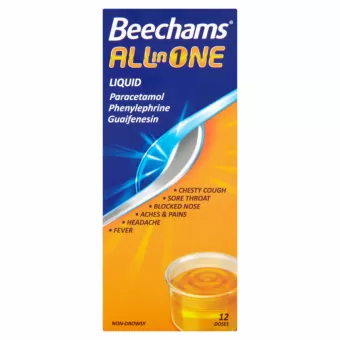
| Multiple cold/flu symptoms | All-in-one tablets or sachets | Lemsip Max, Beechams All-in-One |
How to Buy Cold and Flu Medicine from Cloud Pharmacy
Ordering cold, cough and flu treatments from Cloud Pharmacy is straightforward:
- Step 1: Browse the product range on this page or use the category filters to narrow your search by type (capsules, liquids, nasal sprays, etc.)
- Step 2: Select the product you need and add it to your basket
- Step 3: Complete a short online assessment so our pharmacy team can confirm the product is suitable for you
- Step 4: Once approved, your order is dispensed and dispatched with discreet, next-day delivery available
Our clinical team reviews every order before dispatch. If a product is not suitable for you based on your assessment, our pharmacist will contact you to discuss alternatives. This is not an automated process; a qualified pharmacist checks every order.
Before You Order: What to Check
To help our pharmacy team process your order safely, please have the following information ready:
A list of any other medicines you are currently taking (including prescriptions, over-the-counter medicines and supplements)
- Any known allergies or sensitivities to medicines or ingredients
- Whether you are pregnant, breastfeeding, or planning to become pregnant
- Details of any long-term health conditions (such as asthma, liver or kidney disease, heart conditions, high blood pressure or diabetes)
- Your age - some products are only suitable for adults aged 18 and over
If you are unsure whether a product is right for you, our pharmacists are available to help through the consultation process.
Sources and References
NHS - Common cold: https://www.nhs.uk/conditions/common-cold/
NHS - Flu: https://www.nhs.uk/conditions/flu/
NHS - Cough: https://www.nhs.uk/conditions/cough/
NHS - Sore throat: https://www.nhs.uk/conditions/sore-throat/
NICE - Common cold: antimicrobial prescribing (NG120)
MHRA - Over-the-counter cough and cold medicines for children
FAQ
Can I take more than one cold and flu remedy at the same time?
You should be careful when combining treatments, as many cold and flu products contain the same active ingredients, particularly paracetamol. Taking two products that both contain paracetamol can lead to an overdose, which can cause serious liver damage. Always check the active ingredients listed on the packaging before combining treatments. If you are unsure, ask our pharmacy team for advice.
How long do cold and flu symptoms usually last?
Most colds last 7–10 days, with symptoms typically peaking around day 2–3. Flu symptoms can last 1–2 weeks, with fatigue sometimes persisting longer. A cough may linger for up to three weeks after other symptoms have cleared. If symptoms persist beyond three weeks, worsen, or are accompanied by chest pain or difficulty breathing, contact your GP.
What is the difference between a cold and the flu?
Colds tend to develop gradually and produce milder symptoms such as a runny nose, sneezing and a sore throat. Flu typically comes on more suddenly and causes more severe symptoms, including a high temperature, muscle aches, extreme tiredness and headaches. Both are caused by viruses and are treated with symptom relief rather than antibiotics.
Are antibiotics effective for treating colds and flu?
No. Colds and flu are caused by viruses, not bacteria. Antibiotics only work against bacterial infections and will not help with viral illnesses. Taking antibiotics unnecessarily can contribute to antibiotic resistance. If you develop a secondary bacterial infection (such as a chest infection or sinusitis), your GP may prescribe antibiotics at that stage.
When should I see a doctor instead of using over-the-counter treatments?
You should speak to your GP or call NHS 111 if you experience a high temperature that does not improve with paracetamol or ibuprofen, difficulty breathing or shortness of breath, chest pain, coughing up blood, symptoms that persist beyond three weeks, or if you have a weakened immune system or a chronic health condition.
How it works
Achieve your goals in just a few simple steps
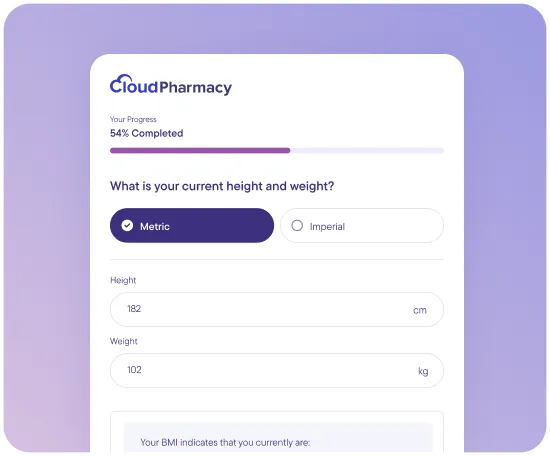
Step 1
Start Free Consultation
Answer some questions so we can understand your needs.

Step 2
Review By Our Clinical Team
Our expert team will use your consultation as the basis of our recommendation and communicate with you.

Step 3
From Prescription to Doorstep
Orders are carefully reviewed by a prescriber before discreet dispatch.
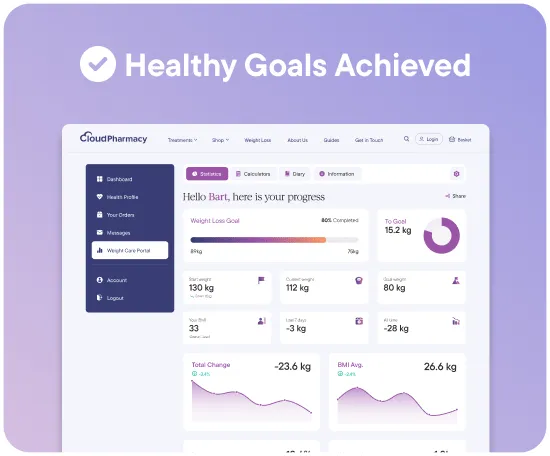
Step 4
Achieve your health goals
A plan tailored to your needs for real, measurable results.
Need something else?
We stock over 1102 treatments for 90 conditions